Why Strength Training Matters More During Perimenopause
Quick Answer: Falling estrogen during perimenopause accelerates both muscle loss and bone density decline, and strength training is one of the few interventions shown to directly counter both — making it more urgent now than it was in your 20s or 30s, not just equally beneficial.
You’ve lifted casually for years, mostly for how it made you feel. The stakes just changed, and it’s worth understanding why the timing of this decade specifically matters.
What does estrogen actually have to do with muscle?
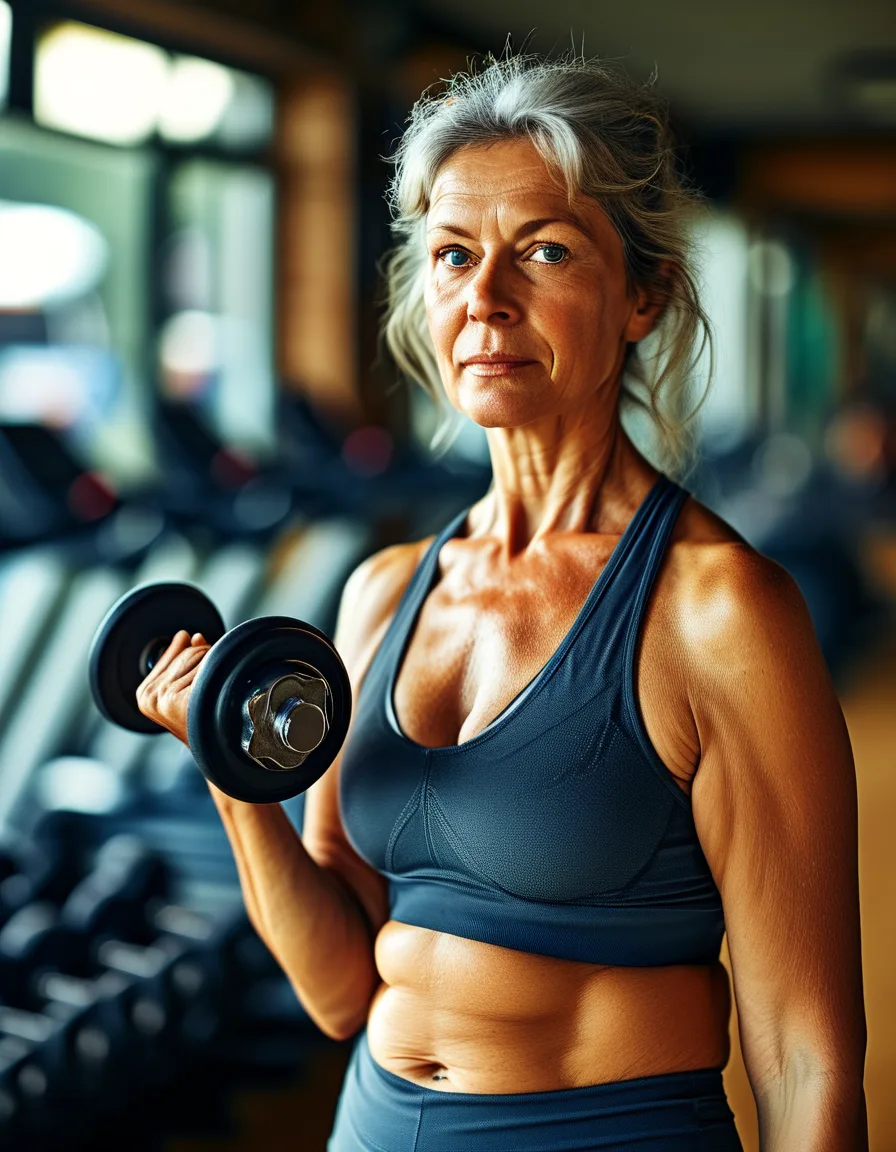
Estrogen supports muscle protein synthesis and helps regulate the inflammatory response to exercise, so as levels decline through perimenopause, muscle becomes both harder to build and easier to lose without dedicated resistance training. This isn’t a motivation problem — it’s a hormonal shift working against passive maintenance.
Muscle loss during this period can happen even in women who haven’t changed their activity level at all, which is exactly why the strength training response matters more now.
Why is bone density part of the same conversation?
Estrogen also plays a direct role in bone remodeling, and its decline is linked to the accelerated bone density loss many women experience in the years around menopause. Weight-bearing and resistance exercise are among the few interventions that meaningfully stimulate bone-building response during this window.
This is part of why strength training in perimenopause isn’t just about aesthetics or general fitness — it’s directly tied to fracture risk reduction later.

What Nobody Tells You About Cardio-Only Routines Right Now
A cardio-heavy routine without resistance training doesn’t provide the mechanical loading stimulus that muscle and bone need during this hormonal shift — you can be very fit cardiovascularly while still losing meaningful muscle and bone density. This surprises a lot of women who’ve relied on running or cycling as their main exercise for years.
Adding just two structured strength sessions a week alongside existing cardio meaningfully changes this picture, without needing to abandon the cardio you enjoy.
How heavy do you actually need to lift for this to matter?
Research on resistance training in this age group generally points to progressively challenging loads — working within about 6-12 reps to near-fatigue — as more effective for muscle and bone stimulus than very light weights done for high reps. The muscle needs a real mechanical challenge to respond.
That doesn’t mean starting heavy on day one; it means progressively increasing load over weeks as form and confidence build, with a coach or trainer if you’re new to lifting.
Does protein intake need to change alongside training?
Many women don’t increase protein intake to match the higher needs that come with both perimenopausal muscle-building resistance and the reduced efficiency of protein synthesis at this life stage. Aiming for protein at each meal, not just post-workout, supports what the training is trying to build.
This is general information, not medical advice — a registered dietitian can help calculate specific targets based on your activity level and goals.
TL;DR:
- Declining estrogen accelerates both muscle loss and bone density decline during perimenopause
- Strength training is one of the few interventions shown to directly counter both at once
- Cardio alone doesn’t provide the mechanical loading muscle and bone need right now
- Progressive, challenging loads plus adequate protein intake make the training effective
This isn’t about training harder for its own sake — it’s about matching your routine to what your body specifically needs during this hormonal transition.
Keep Reading
This article is for general informational purposes only and is not medical advice. Always consult a qualified health professional for guidance specific to you.