The Workout Intensity Mistake Making Perimenopause Symptoms Worse
Quick Answer: During perimenopause, frequent high-intensity training without adequate recovery can worsen fatigue, sleep, and mood symptoms by adding cortisol load to an already fluctuating hormonal system. Moderate strength training plus adequate recovery tends to work better than grinding harder. This is general information, not medical advice.
You’ve been training harder to fight perimenopause symptoms — more cardio, more intensity — and somehow feel more exhausted, not less. This is a common and specific mistake, not a sign you’re not trying hard enough.

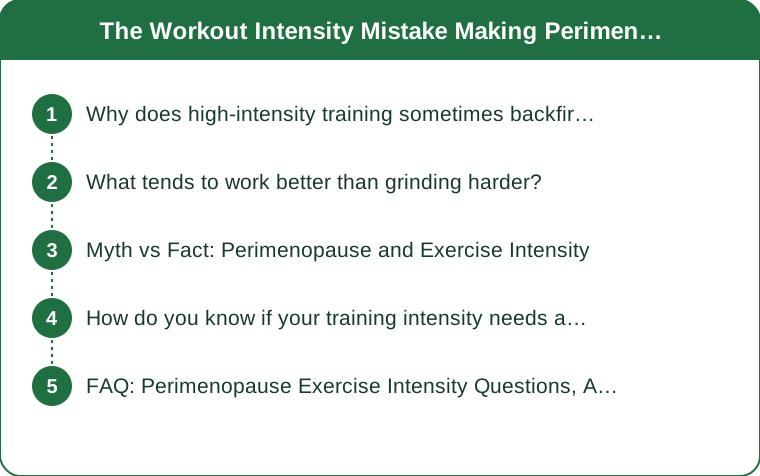
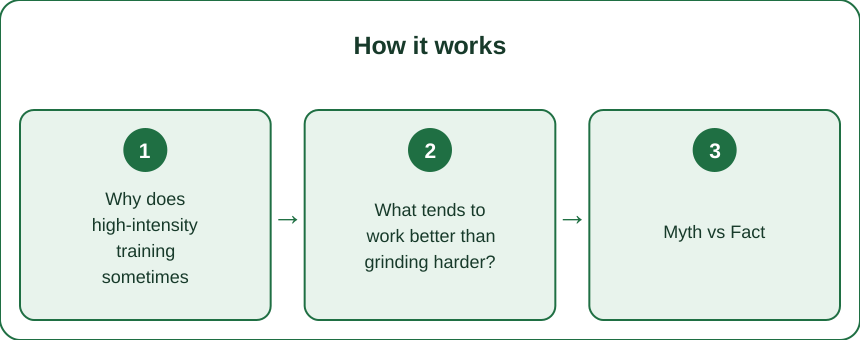
Why does high-intensity training sometimes backfire in perimenopause?
Fluctuating estrogen and progesterone during perimenopause already affect stress hormone regulation and recovery capacity. Layering frequent high-intensity sessions on top can push cortisol higher than the system can comfortably manage, which shows up as worse sleep, more fatigue, and sometimes stalled progress despite more effort.
What tends to work better than grinding harder?
Resistance training 2-3x a week at moderate intensity, protecting muscle mass which naturally becomes harder to maintain during this transition, combined with adequate recovery days and lower-intensity cardio like walking. This isn’t about doing less out of caution — it’s about matching intensity to what the current hormonal environment can actually recover from.

Myth vs Fact: Perimenopause and Exercise Intensity
Myth: You need to train harder to offset slowing metabolism. Fact: Recovery capacity often changes before metabolism does — training harder without matching recovery tends to backfire before it helps.
Myth: Daily HIIT is the best way to manage perimenopause weight changes. Fact: For many, 2-3x weekly HIIT combined with strength training outperforms daily HIIT, which can add unhelpful cortisol load.
Myth: Feeling constantly tired from workouts means you’re getting fitter. Fact: Persistent fatigue is more often a sign of inadequate recovery than a marker of productive training, particularly during this hormonal transition.
How do you know if your training intensity needs adjusting?
Watch for worsening sleep, persistent fatigue that doesn’t improve with a rest day, or irritability that tracks with your training schedule. If harder training correlates with worse — not better — symptoms over several weeks, that’s a signal to shift toward moderate intensity and more recovery, not push through.
FAQ: Perimenopause Exercise Intensity Questions, Answered
Should I stop doing HIIT entirely during perimenopause?
Not necessarily — 1-2x a week alongside strength training and adequate recovery is reasonable for many; daily HIIT is where the pattern tends to backfire.
How much recovery is actually enough?
At least 1-2 full rest or gentle-movement days a week, and 48 hours between hard sessions targeting the same muscle groups, is a reasonable baseline.
Should I talk to a doctor about my training and perimenopause symptoms?
If symptoms are significantly affecting your life, a doctor familiar with perimenopause can help — this article is general information, not medical advice.
TL;DR:
- Frequent high-intensity training without recovery can worsen perimenopause symptoms
- Moderate strength training 2-3x/week plus recovery tends to outperform grinding harder
- Persistent fatigue after workouts is a recovery signal, not a fitness marker
- Watch for symptoms tracking with training intensity as your signal to adjust
This is general information, not medical advice — check with a doctor if symptoms are significant.
Keep Reading
This article is for general informational purposes only and is not medical advice. Always consult a qualified health professional for guidance specific to you.